How Trauma Rewires The Brain
Trauma impacts both the brain and body. It changes the way the nervous system responds to the world, often creating ongoing distress long after the traumatic event is over. Many people who experience trauma begin to feel constantly on edge, emotionally overwhelmed, disconnected, or exhausted — and there is a neurological reason for this.
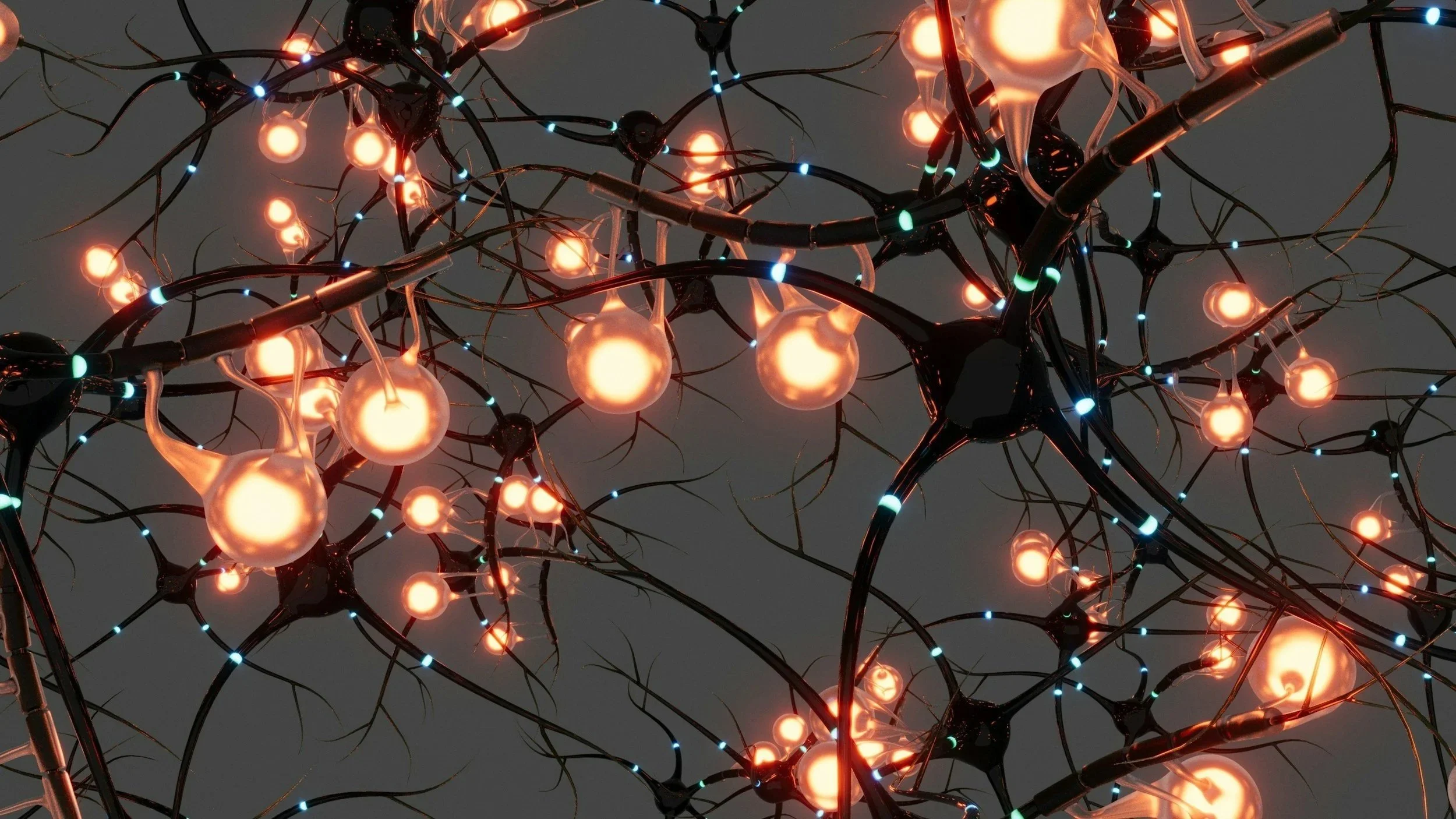
When trauma occurs, the brain adapts for survival. While these changes are meant to protect you, they can make everyday life feel harder and leave your nervous system stuck in a state of protection rather than safety.
Here are five ways trauma affects the brain and body.
1. Your Alarm System Becomes faulty
The amygdala, the part of the brain responsible for detecting threats, becomes overactive after trauma. It starts interpreting situations as dangerous even when they are objectively safe.
Your body is constantly scanning for cues of safety and danger through a process called neuroception. This happens automatically and outside of conscious awareness. After a traumatic experience, the nervous system can struggle to recognize when danger has passed. Instead, it remains stuck in survival mode — also known as the sympathetic nervous system response.
This is why loud noises may suddenly feel overwhelming, conflict can feel threatening, crowded spaces become uncomfortable, or you may startle easily. You may also begin avoiding people, emotions, thoughts, or situations that remind you of the traumatic experience.
2. Your Memory May Feel Unreliable
The hippocampus, the part of the brain responsible for organizing and storing memories, is also impacted by trauma. Because of this, traumatic memories are often stored differently than ordinary memories.
This can lead to fragmented or disorganized recollections of the event. Some people struggle to remember parts of what happened, while others experience vivid flashbacks that make it feel as though the trauma is happening all over again.
When present-day experiences recreate emotions, sensations, or thoughts associated with the trauma, the brain can become confused and react as if the past danger is occurring in the present moment. This can leave you feeling disoriented and unsure whether you can trust your own senses or emotions.
3. Your Body Gets Stuck in Chronic Stress
Trauma is not just psychological — it is deeply physical.
When the nervous system remains activated for long periods of time, the body carries the effects of chronic stress. This can show up as muscle tension, headaches, fatigue, digestive issues, sleep disturbances, or chronic pain.
You may notice tightness in your chest, aching shoulders, stomach discomfort, or feeling physically exhausted without understanding why. These symptoms are not “all in your head.” They are signs that your body is still functioning as though it needs to stay prepared for danger.
The body keeps the score of what the mind has gone through.
4. Your Nervous System Struggles to Return to Safety
Humans naturally move through different autonomic nervous system states throughout the day. These states help us respond to the world around us.
Ventral Vagal State
This is the state of safety, connection, and social engagement. In this state, we feel grounded, flexible, connected to others, and able to learn, think clearly, and navigate stress effectively.
Sympathetic State
This is the fight, flight, or freeze response. When activated, the body prepares for danger through increased adrenaline and cortisol. Thinking becomes more survival-focused, and the body prioritizes protection over connection.
Dorsal Vagal State
This is the shutdown response. When stress becomes overwhelming, the nervous system may disconnect as a protective mechanism. This can lead to numbness, dissociation, exhaustion, or feeling disconnected from yourself and others.
After trauma, many people become stuck in sympathetic activation, where the world feels unsafe and the body struggles to return to a state of connection and regulation.
Healing involves helping the nervous system learn that safety is possible again. Through trauma-informed therapy and nervous system regulation, the body can begin moving out of survival mode and back into connection.
5. Your Brain Becomes Trained to Expect the Worst
When the nervous system stays in survival mode, the brain begins anticipating danger everywhere.
This can lead to hypervigilance, anxiety, overthinking, emotional avoidance, or difficulty trusting others. The brain starts preparing for worst-case scenarios even in situations where you are safe.
Over time, avoidance behaviors may develop in an attempt to prevent discomfort. While avoidance can temporarily reduce distress, it often reinforces the nervous system’s belief that emotions, memories, people, or situations are dangerous.
Healing Is Possible
The good news is that the brain is capable of change. This is known as neuroplasticity — the brain’s ability to create new neural pathways and adapt over time.
Healing from trauma is not about “getting over it.” It is about helping the nervous system feel safe enough to reconnect with the present moment and helping the body learn to distinguish between past danger and present safety.
When we learn to understand the body’s responses, regulate the nervous system, and approach thoughts and emotions differently, it is possible to move out of survival mode and back into a place of safety, connection, and trust in yourself. I encourage you to reach out today to explore whether we may be a good fit in helping you reconnect with a sense of safety in your body again.